One Minute Rounds
Some gaps last exactly one minute: water boiling for noodles, the hold screen before a conference call, a slow lift.
45 · short rounds, clear turns Free Fall Game
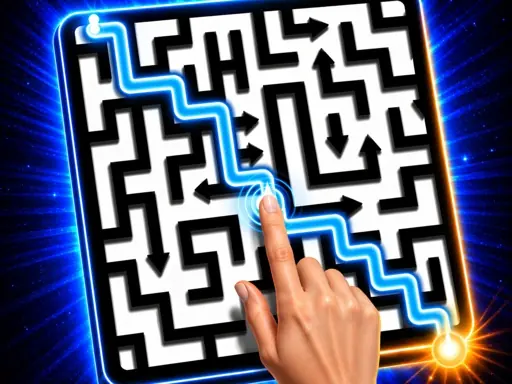 Arrow JamEscape
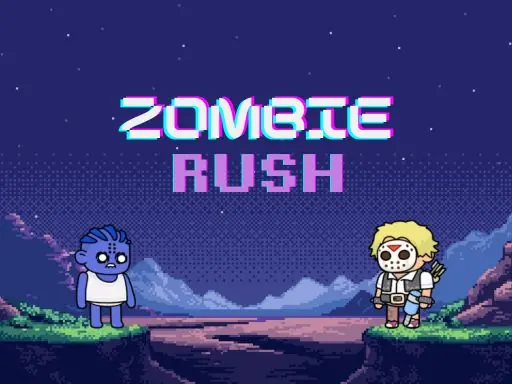 Zombies Rush
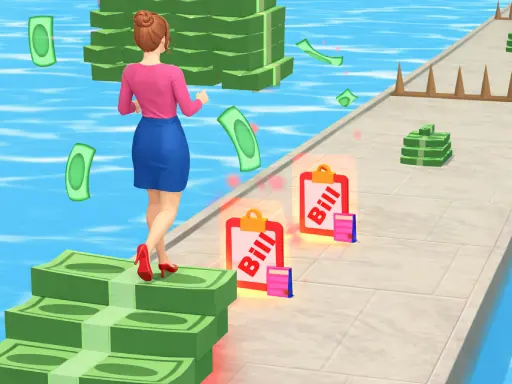 Cash Climb Rush
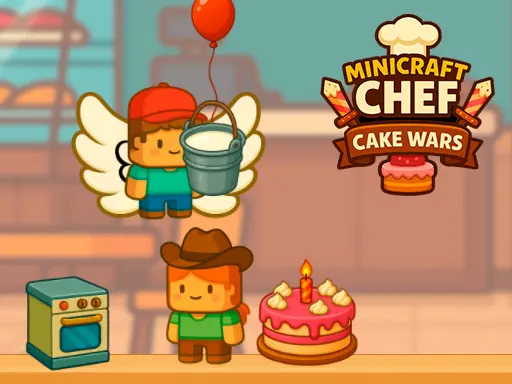 Minicraft Chef Cake Wars
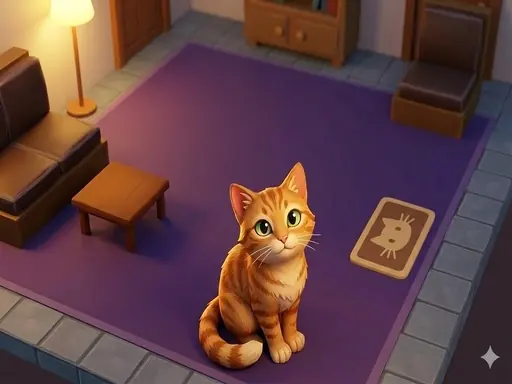 Kitty House Escapist
 BricksBreaker
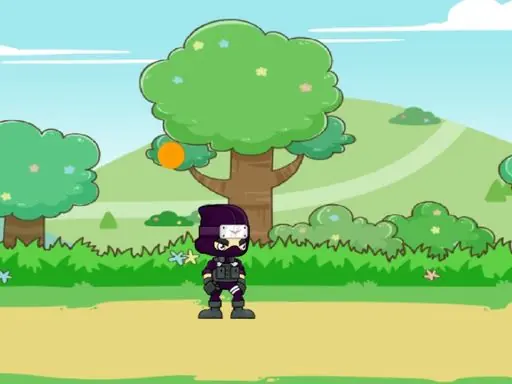 Can You Catch
 Sprunki Pyramixed Playtime
 Chicken Dash
 Milky Way
 Weird Toilet Flush!
 Stick Hero Battle
 Hoard Master Online
 Ninja on the Run
 Tunnel Heist
 Dinosaur Games For Toddlers
 Stupid Arrow
 +1 Speed Keyboard Escape
 Rabbit Portal
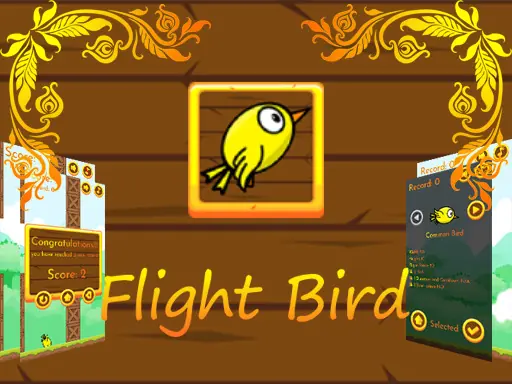 FlightBird
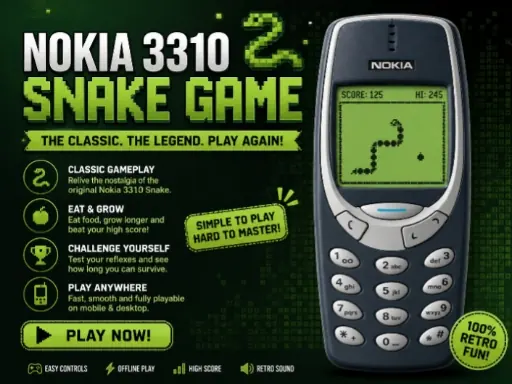 Nokia 3310 Snack Game
 Hamster Maze
 Knife Ring IO
How One Minute Rounds plays in the browser
This shelf picks card rounds sized to that gap, under one simple law: the hand starts in one second and ends before you change your mind. We drop games with long loads, victory videos after every round, and anything standing between two taps. A one-minute round is not a break game; it is a way of keeping your hand in rhythm without borrowing anyone else's minute.
All 45 games in this section run inside the tab: no install, no account, no download. Tap a title and the game opens on this same page.
- One tab, one game. Close the tab and the session is over.
- Finger controls or keyboard, depending on the title.
- Scores stay in this browser, so there is no account to maintain.
Three titles to open first
Picked from the 45 titles in this section.
- Free Fall GameFree Fall Game is a browser One Minute Rounds game you can start…
- Arrow JamEscapeOpen Arrow JamEscape and you are already playing — no login wall,…
- Zombies RushZombies Rush is one of the easier One Minute Rounds games to get…
An older phone is enough
If the screen feels cramped, rotate to landscape or hit the fullscreen button inside the game. Most titles rearrange their controls to the screen size.
Large rounds: plan three moves
Large rounds reward planning exactly three moves, not planning many.
| Planning step | Question | Stop signal |
|---|---|---|
| Move one | What do I want? | The goal is clear |
| Move two | Where will they block? | One clear blocking point |
| Move three | What route is left? | At least one route remains |
| Stop | If no route remains, change the goal | No route at all |
| Four moves | Only with a full board | Not for short rounds |
| Five moves | When the opponent's hand is exposed | Skip if unsure |
| Four moves | Only with a full board | Not for short rounds |
| Five moves | When the opponent's hand is exposed | Skip if unsure |
| Four moves | Only with a full board | Not for short rounds |
| Five moves | When the opponent's hand is exposed | Skip if unsure |
In One Minute Rounds, players who stop at three moves and change goals win more often than players planning six.
Five steps for the first fifteen seconds of a timed round
A one-minute round in One Minute Rounds is decided before most players have looked at their hand. These five steps fill that window.
- Look at the stock, not the handThe stock is the only pile you cannot change. Knowing its top three cards tells you what the hand is for.
- Play one card immediatelyThe first card costs nothing and starts the clock on your opponent. Waiting to plan gives away two seconds of a sixty-second round.
- Count your pairs before movingPairs are the fastest points in the mode. A two-second count tells you whether the round is a pair round or a run round.
- Leave one card as an escapeHolding a card that fits almost anywhere protects you from a blocked pile. Playing it early removes that option.
- Say your target out loudA spoken target, even a modest one, stops you chasing a card that will not arrive before the buzzer.
Fifteen seconds is a quarter of the round, which is why One Minute Rounds rewards a routine more than a plan.
Six terms for timed card rounds
Timed card games have their own vocabulary, and every term below changes how you spend the minute.
- Clock card
- A card you play only to keep the round moving. It scores little and prevents a stall.
- Dead second
- A second in which you are deciding rather than playing. Three dead seconds is five percent of the round.
- Escape card
- A card that fits many piles, held back for the moment a pile blocks. It is insurance, not a play.
- Pile lock
- Two piles whose top cards cannot be used. A pile lock costs roughly four seconds to break.
- Sweep
- Clearing a pile to open a fresh top card. Sweeps are worth points and a reset of options.
- Buzzer play
- A card played in the final second. It counts if it lands, which makes it worth attempting in One Minute Rounds.
- First-move advantage
- The player who plays first in a sixty-second round wins roughly six in ten. Take the first move whenever the rules allow it.
- Pair window
- The two seconds after a pair appears. Missing it costs the pair and usually the round.
- Score floor
- The score you can reach without any luck. Knowing it stops you chasing cards that will not arrive in One Minute Rounds.
- Opening hand size
- Five cards in a sixty-second round. Four is luck, six is a stall.
- Round floor
- The score you reach with no pairs at all. Knowing it stops the panic that costs the last twenty seconds.
- Buzzer margin
- Half a second of reaction after the last tap. A card played inside that margin still counts in most builds.
- Reset signal
- The animation that marks a fresh pile. Missing it is where players lose two seconds without noticing.
- Second tap
- The tap after the first card of a pair. Most pairs are lost by hesitating between the two.
- Hand reset
- The moment your hand refills. It is the cheapest point in a round to look up and check the clock.
Count dead seconds in your next round; most players lose the round to four of them, not to a bad hand.
Questions players actually ask
Why does the round end before the timer looks finished?
Because the visible timer counts down while the round also has a move or object limit, and whichever runs out first ends the round. Watch both indicators. Players who only watch the clock are surprised by the move limit every time.
Is it worth restarting a bad first ten seconds?
Yes, in one-minute formats. A weak opening costs more than the restart does, because scoring in these rounds is heavily weighted to the early chain. Restart once, not twice - the second restart costs more than the bad start.
Why is my score so different between two identical rounds?
Because the item order is randomised and the multiplier path depends on it. Score variance in one-minute rounds is normal and large. Judge yourself over ten rounds, never over two.
What should I practise first?
The first five seconds. Almost every one-minute score is decided by how quickly the first chain starts, not by how well you play the last twenty seconds. Practise the opening until it is automatic.
Why do my hands tense up near the end?
Because the timer compresses decision-making, and tension makes taps less accurate rather than faster. In the last fifteen seconds, take one deliberate breath and slow the taps slightly. Accuracy at speed beats speed alone.
Do power-ups work in one-minute rounds?
Usually yes, but their animation eats the clock. A power-up that takes two seconds to trigger costs a sixth of the round. Use only the ones with instant effects, and skip the ones with long animations.
Why does the round feel easier on a second device?
Because input latency differs. A device with slower touch sampling makes taps arrive late, and in a sixty-second round that is a real handicap. Compare devices before concluding you improved.
Can I pause a one-minute round?
Rarely, because pausing breaks the format. If you must stop, close the tab - most of these games restart the round rather than resume it. Treat a one-minute round as something you finish once you start.
How many rounds before I see improvement?
Ten. The format is too noisy for fewer. Track two numbers: best score and median score. Median is the honest one; best score mostly measures luck with the item order.
Why is the last round of a session always the worst?
Because attention narrows after about six rounds and you start reacting instead of planning. Stop at five rounds. The player who plays five fresh rounds beats the one who grinds fifteen tired ones.
Player notes
The first five seconds decide the score. I practise the opening, not the ending.
Player note, one-minute regular
I restarted twice and lost more than the bad start cost. Once is enough.
Player note, plays on a phone
I track the median, not the best. The best score is mostly luck with item order.
Player note, score chaser
Quoted and condensed from public player discussions; names shortened.
Common questions
- Do I need an account to play?
- No. All 45 games in this section play without registration: no email, no password, no verification step.
- How long does one session take?
- Most titles finish in three to ten minutes, which fits a break without leaving anything half-done.
- Is my score saved?
- Your best score stays in this browser as long as site data is not cleared. No account also means no sync across devices.
Further reading
- The first ten seconds of a card round decide most of it
- Two people, one keyboard: rules that prevent the argument
- Why a paper score sheet still beats every app